Picture this: the first light of dawn breaks over the endless plains, a lone lioness stretches on a rocky outcrop, and your heart skips a beat as a herd of wildebeest thunders across the horizon. That’s the magic waiting for you on a wildlife safari or cruise—and 2025 through 2027 might just be the sweetest window yet to chase it. With fresh eco-lodges opening, new expedition ships launching, and a growing focus on sustainable travel, these years promise fewer crowds in shoulder seasons, stronger conservation impact, and experiences tailored for every budget and pace. Whether you crave dusty African game drives, misty Amazon river floats, or icy Antarctic zodiac rides, the wild is calling louder than ever.
Why 2025-2027 Is the Perfect Time for Your Wildlife Adventure
The post-pandemic travel boom has settled, and smart operators are rolling out thoughtful upgrades just in time for these years. Think electric safari vehicles in Kenya, carbon-offset programs baked into every itinerary, and smaller group sizes that let you linger longer with the animals instead of rushing. Travelers are prioritizing regenerative tourism—trips that actively give back—so your dollars now directly support anti-poaching patrols and community projects. Shoulder seasons like May or November in East Africa mean better pricing and prime wildlife viewing without the peak-season crush. If you’ve been waiting for the right moment to turn that bucket-list dream into reality, 2025-2027 is it.
Top African Safari Hotspots You Can’t Miss in 2025-2027
Africa still reigns as the ultimate safari playground, with classic Big Five sightings and the Great Migration stealing the show. Operators like Tauck and Abercrombie & Kent have locked in solid 2026-2027 departures that blend luxury tents with expert local guides. From Tanzania’s vast plains to South Africa’s accessible reserves, these hotspots deliver drama without the old-school hassle of long drives between camps.
Serengeti National Park, Tanzania
The Serengeti’s endless grasslands turn into a wildlife theater during the Great Migration, and 2025-2027 itineraries time it perfectly for calving season or river crossings. Stay at mobile camps that move with the herds, and you’ll witness thousands of wildebeest and zebra in one unforgettable sweep. Early-morning game drives here feel intimate, especially with Nat Hab’s conservation-focused trips that funnel part of your fee straight into anti-poaching.
Masai Mara National Reserve, Kenya
Just across the border from the Serengeti, the Mara offers a slightly more compact version of the migration drama plus easy access to Maasai cultural visits. Luxury operators schedule hot-air balloon rides at dawn in 2026 packages, and smaller lodges now feature solar power and community-owned conservancies. It’s the spot where you’re almost guaranteed big-cat action without sacrificing comfort.
Kruger National Park, South Africa
Kruger’s paved roads and private concessions make it ideal for first-timers or families planning 2025 trips. Expect the full Big Five plus rare African wild dogs, and many 2026-2027 tours pair it with Cape Town add-ons for the perfect bookend. Private vehicles and tracker-led walks mean you control the pace and depth of every sighting.
Okavango Delta, Botswana
Floodplains turn into a watery paradise between May and October, perfect for mokoro canoe safaris in 2027. Botswana’s low-impact policy keeps vehicle numbers low, so your 4×4 feels like a private theater for elephants splashing and lions hunting. Luxury camps here emphasize barefoot elegance and direct conservation funding.
Asian Wildlife Tours: Tigers, Orangutans, and Jungle Magic
Asia delivers a completely different flavor—dense forests, ancient temples, and stealthy big cats instead of open savannas. India’s tiger reserves and Borneo’s rainforests shine in 2025-2027 with new small-group departures that limit daily visitors for better animal encounters.
India Tiger Safaris in Ranthambore and Bandhavgarh
Track Bengal tigers on jeep safaris through dry deciduous forests, where morning mist and alarm calls from langurs heighten the thrill. 2026 tours from reputable operators include expert naturalists who read pugmarks like a storybook. Combine with a Taj Mahal visit for the ultimate culture-wildlife combo.
Borneo Orangutan Expeditions
Borneo’s rainforests offer up-close time with rehabilitated orangutans at feeding platforms plus river cruises spotting proboscis monkeys. Small-boat adventures in 2025-2027 let you glide silently through mangroves, and many trips support local reforestation projects that plant thousands of trees per group.
South American Adventures: Amazon River Cruises and Galápagos Islands
South America flips the script with river-based exploration and island-hopping by yacht. New vessels launching in 2026 make these cruises smoother and more eco-friendly than ever.
Amazon River Cruises in Peru and Brazil
Glide along blackwater tributaries aboard intimate ships like the Aria Amazon or Delfin, spotting pink river dolphins leaping at dawn. Night excursions with spotlights reveal caimans and sloths, while guided jungle walks introduce medicinal plants and macaws. 2027 itineraries emphasize community-led villages for authentic cultural exchange.
Galápagos Islands Cruises
Darwin’s living laboratory feels even more special aboard new ships like National Geographic’s Gemini in 2027. Snorkel with sea lions, watch blue-footed boobies dance, and hike among giant tortoises—all while naturalist guides explain evolution in real time. Strict visitor limits keep the experience pristine.
Polar Wildlife Cruises: Antarctica and the Arctic
For the ultimate bucket-list flex, polar expeditions deliver penguins, polar bears, and icebergs bigger than city blocks. 2026-2027 seasons feature more departures from new homeports and hybrid ships that cut emissions.
Antarctic Peninsula Cruises
Zodiac cruises among towering icebergs and emperor penguin colonies create lifelong memories. Hurtigruten and Aurora Expeditions offer 2026-2027 trips with kayaking options and citizen-science projects like whale tracking. The Drake Passage crossing feels like an adventure in itself.
Arctic Wildlife Expeditions in Svalbard
Polar bears prowl sea ice while walruses haul out on remote beaches. Poseidon Expeditions and similar operators run 2026 trips that combine hiking, kayaking, and lectures from marine biologists. Midnight sun in summer means round-the-clock wildlife viewing.
Sustainable and Responsible Safari Tourism in 2025-2027
Every responsible operator now ties your trip to measurable impact—tree planting, ranger salaries, or habitat restoration. Look for lodges running entirely on solar or camps that donate directly to WWF projects. Your choice of 2025-2027 departure can literally help protect the very animals you came to see.
Best Tour Operators and Cruise Lines for 2025-2027
Choosing the right company makes or breaks your experience. Here’s a quick comparison table of standout players:
| Operator | Style | Best For | Price Range (per person, 8-12 days) | Standout Feature |
|---|---|---|---|---|
| Abercrombie & Kent | Luxury private/small group | First-timers & families | $10,000–$22,000 | Private jet add-ons, expert guides |
| Natural Habitat Adventures (Nat Hab) | Conservation-focused | Wildlife photographers | $8,000–$15,000 | WWF partnership, citizen science |
| Tauck | Escorted luxury | Multi-country combos | $9,000–$17,000 | Seamless logistics, on-tour air |
| Intrepid Travel | Small-group sustainable | Budget-conscious adventurers | $4,000–$8,000 | Community homestays, carbon offset |
| National Geographic Expeditions / Lindblad | Expedition cruises | Galápagos & Polar | $12,000–$25,000 | Expert naturalists, new ships |
Pros of booking with big names: Reliable safety standards, top guides, and built-in conservation fees.
Cons: Higher price tags compared to local operators. Smaller outfits can feel more authentic but require extra vetting.
Planning Your Wildlife Safari: Costs, Best Times, and Practical Tips
Expect to pay $4,000–$25,000 per person depending on style and duration. Shoulder seasons slash costs by 20-30% while delivering better sightings. Pack neutral colors, binoculars, a good camera with zoom, insect repellent, and layers for temperature swings. Book 12-18 months ahead for peak 2026-2027 dates—especially migration windows or Galápagos high season.
What to Expect: Daily Life on a Safari Tour or Cruise
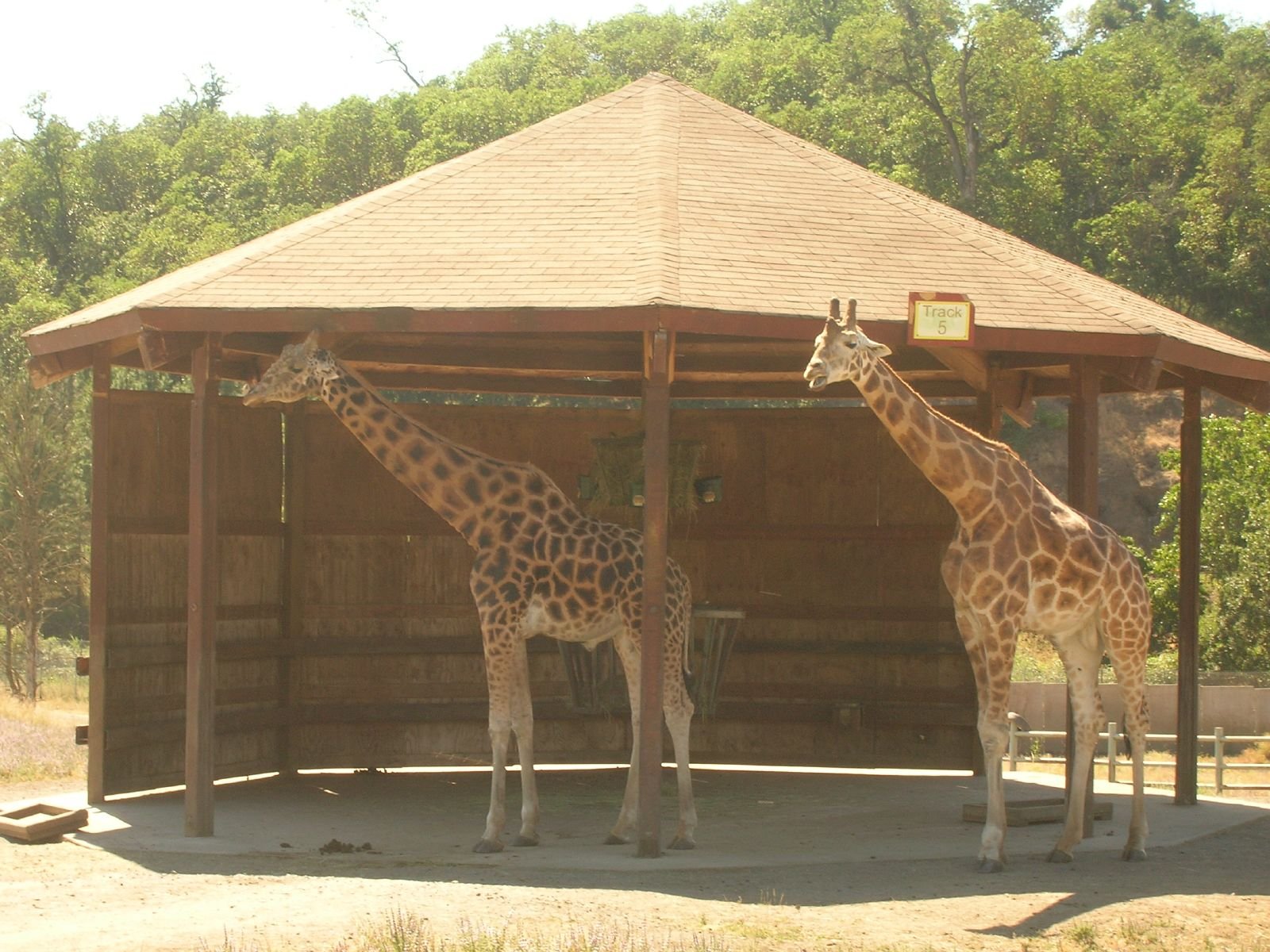
Mornings start early with coffee and a quick briefing before heading out. Afternoons bring downtime for poolside relaxation or lectures, while evenings feature fireside stories or stargazing. On cruises, zodiac landings or skiff rides replace game drives, but the thrill of spotting something wild remains exactly the same. I still smile remembering how a curious giraffe once peered straight into our open-top vehicle—pure magic that no photo can fully capture.
People Also Ask About Wildlife Safaris and Cruises
What is the best time to go on safari in 2025-2027?
Dry seasons (June-October and December-February) in East Africa deliver the clearest wildlife views and easiest game drives. Galápagos and Amazon shine year-round, while Antarctica’s peak runs November-March.
How much does a wildlife safari or cruise actually cost?
Budget options start around $4,000 for basic African safaris or Amazon river trips. Luxury African experiences or polar cruises often run $12,000–$25,000 including flights and transfers. Many operators now offer flexible payment plans.
Are Galápagos or Antarctica cruises worth the splurge?
Absolutely—strict visitor limits and expert guides make them feel exclusive. The wildlife density and educational value beat most land-based trips for many travelers.
Is a safari safe for families or solo travelers?
Yes, with reputable operators. Family-focused departures include kid-friendly pacing, while solo travelers join small groups that quickly feel like new friends.
What’s the difference between a land safari and a river/ocean cruise?
Land safaris offer vehicle-based flexibility and cultural stops. Cruises provide effortless movement between sites and unique vantage points like zodiacs or kayaks—perfect if motion sickness isn’t an issue.
Pros and Cons: Safari Tours vs. Wildlife Cruises
Safari Tours
Pros: Immersive land-based viewing, cultural interactions, customizable pacing.
Cons: More driving between sites, variable weather exposure.
Wildlife Cruises
Pros: Scenic travel between locations, marine wildlife bonus, fewer mosquitoes.
Cons: Potential rough seas, fixed schedules, higher per-day cost.
FAQ: Your Burning Questions Answered
How early should I book for 2025-2027 departures?
12-18 months ahead secures best cabins and dates, especially for popular migration or polar seasons.
Do I need special vaccinations or permits?
Yellow fever for parts of Africa and South America is common; gorilla permits in Uganda sell out fast—book through your operator.
What if I’m not a morning person?
Many operators now offer flexible private-vehicle options or afternoon-only drives so you can sleep in without missing the best light.
Can I combine destinations in one trip?
Absolutely—popular combos include Kenya + Tanzania safaris or Galápagos + Amazon extensions for 2026-2027.
How do I choose between luxury and mid-range options?
Luxury means private vehicles and butler service; mid-range still delivers excellent guides and comfortable tents. Both support conservation when booked responsibly.
The wild doesn’t wait, and neither should you. Whether you’re tracing lion tracks in the Serengeti, cruising beside pink dolphins on the Amazon, or watching penguins slide off Antarctic ice, 2025-2027 offers the perfect mix of fresh itineraries and meaningful impact. Start planning today—your future self (and the planet’s wildlife) will thank you. Grab those binoculars, pack your sense of wonder, and get ready for the adventure of a lifetime. Safe travels out there.
Related Posts

How Safaris Help Wildlife Conservation
Picture this: you’re bouncing along a dusty track in Kenya’s…
The Ultimate 7-Day Best of Tanzania Wildlife Safari: Serengeti, Ngorongoro, Tarangire & Beyond
Picture yourself in an open-top 4x4, dust kicking up behind…