Category: Wildlife Safari

Wildlife Safari

  • How Safaris Help Wildlife Conservation

    How Safaris Help Wildlife Conservation

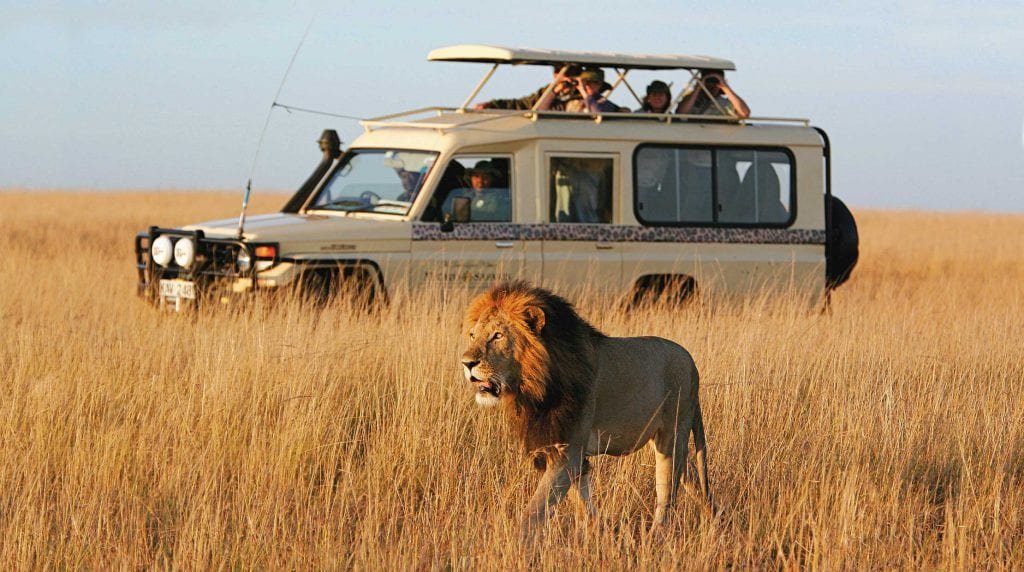
    Picture this: you’re bouncing along a dusty track in Kenya’s Masai Mara as the first light paints the acacia trees gold. A herd of elephants ambles past, so close you can hear their rumbling breaths. Your heart swells—not just from the thrill, but from knowing your trip is actually helping keep these giants alive. I’ve felt that exact rush on multiple safaris across East and Southern Africa, and every time it hits me how tourism and conservation are woven together like the threads in a Maasai shawl. Safaris aren’t just bucket-list adventures; they’re a powerful engine driving real protection for Africa’s wildlife. Through direct funding, community jobs, on-the-ground presence, and global awareness, responsible safari tourism turns visitors into quiet heroes of the wild.

    The Economic Engine Powering Conservation

    Safari tourism pours billions into African economies every year, and a solid chunk of that cash flows straight back into protecting the very animals tourists come to see. In 2025 alone, the broader Africa safari market sits around $20.5 billion and keeps growing, with Southern Africa projected to hit nearly $30 billion by 2033. Park fees, lodge stays, and guided drives don’t vanish into thin air—they pay ranger salaries, fuel anti-poaching patrols, and maintain vast protected areas that would otherwise crumble under pressure.

    How Tourist Dollars Directly Fund Anti-Poaching and Habitat Protection

    Every time you hand over your park entry fee or book a stay at a responsible lodge, you’re essentially writing a check for conservation. Those fees bankroll everything from vehicle patrols to waterhole repairs and scientific monitoring. In places like Tanzania’s Serengeti or South Africa’s Kruger, tourism revenue has helped stabilize elephant numbers and brought black rhino populations back from the brink—rising from just 300 in the 1980s to over 1,000 today thanks in large part to sustained funding.

    Community Jobs That Reduce the Need for Poaching

    One of the smartest things safaris do is create real livelihoods in remote villages where poaching or overgrazing once seemed like the only options. Guides, trackers, lodge staff, drivers, and even artisans selling crafts at camps—all these roles let local families earn steady income without harming wildlife. Operators like Wilderness Safaris alone paid out $17.1 million to governments and communities in FY25, a 21% jump from the year before. When people can feed their kids through tourism, they’re far less likely to risk everything for a quick rhino horn sale.

    Land Leases and Conservancies That Expand Protected Areas

    Many luxury camps lease huge tracts of land directly from indigenous communities and turn them into private conservancies. The community keeps ownership, wildlife roams freely across bigger spaces, and tourists get uncrowded, high-quality sightings. Kenya’s Olare Motorogi and Naboisho conservancies cover over 70,000 acres and have doubled the roaming area around the Masai Mara. It’s a brilliant model that keeps land wild instead of turning it into farmland or cattle pasture.

    The Deterrent Effect of Having Eyes on the Ground

    Poachers hate an audience. A convoy of safari vehicles rolling through a reserve at dawn or dusk creates constant human presence that makes illegal activity risky. Rangers and guides stay alert, and guests often spot snares or suspicious activity first. In Botswana’s Okavango Delta, the simple act of game drives near community areas has helped cut lion killings dramatically.

    Educating Locals and Visitors Alike

    Safaris don’t just show animals—they teach. Guides share stories about ecosystems, threats, and success stories that stick with guests long after the trip. Many operators run school programs or sponsor kids; Micato Safaris, for example, sponsors a child’s education for every booking through their “One for One” commitment. Communities learn the economic value of living alongside wildlife instead of against it, flipping old attitudes into pride and stewardship.

    Real-World Case Study: CLAWS and Lions in the Okavango

    In northern Botswana, the NGO CLAWS (Communities Living Amongst Wildlife Sustainably) shows exactly how safari tourism backs lion conservation. Lion numbers across Africa dropped 50% in 25 years, and in 2013 half the local population was poisoned in retaliation for livestock losses. CLAWS uses satellite collars, SMS alerts to farmers, and communal herding programs funded partly by guest conservation fees and partnerships with operators like Wilderness Safaris and Wild Expeditions. Result? No known lion killings since 2019, and the program has expanded to multiple villages. Founder Andrew Stein puts it perfectly: “Safari tourism is the backbone of conservation.”

    Case Study: Tanzania’s Serengeti Success Story

    Tanzania pulled in a record $4.2 billion from tourism recently, much of it from safaris. Elephant numbers jumped 29% since 2014 to over 60,000, thanks to revenue funding patrols and habitat work. Private conservancies bordering the park have expanded protected space, and community fees support schools and health clinics. The Great Migration still thunders across the plains because tourism makes the land worth more alive than farmed or poached.

    Pros and Cons of Safari Tourism for Conservation

    AspectProsCons
    FundingBillions channeled to anti-poaching and habitatUneven distribution if operators cut corners
    Wildlife BehaviorPresence deters poachersOvercrowding can stress animals
    Community ImpactJobs and pride in wildlifeCultural disruption if not managed well
    Long-term SustainabilityExpands conservancies and corridorsRisk of overtourism in popular spots

    Responsible operators minimize the cons through strict guidelines, small group sizes, and reinvestment—turning potential downsides into net positives.

    How to Choose a Conservation-Focused Safari

    Look for lodges that publish exactly how much of your fee goes to conservation (some hit 14.7% or more). Check for partnerships with reputable NGOs, use of solar power and electric vehicles, and genuine community involvement—not just token gestures. Certifications, transparent impact reports, and reviews mentioning ranger training or habitat projects are green flags. Avoid places that bait animals or allow off-road driving near wildlife.

    Comparison: Traditional Game Drives vs. Immersive Conservation Experiences

    Traditional drives focus on sightings and luxury. Conservation-focused safaris add hands-on elements—tracking collared lions, planting trees, or joining Ecorangers. You still get the Big Five thrills, but you leave knowing you helped gather data or fund a new boma. The immersive version often costs a bit more yet delivers deeper satisfaction and measurable impact.

    Real Stories That Stick With You

    I once watched a young Maasai guide named Joseph point out a fresh rhino track and quietly say, “This one is alive because of visitors like you.” His village had leased land for a conservancy, and the fees paid for his training. Another time in the Delta, a farmer showed me the SMS alert on his phone that saved his cattle—and the collared lion named “Kgalagadi” that now roams safely. These aren’t abstract stats; they’re lives changed.

    People Also Ask About Safaris and Conservation

    Do safaris actually help or harm wildlife?
    When run responsibly, they help far more than they harm. Revenue funds protection, presence deters poachers, and communities gain incentives to value living animals. Poorly managed ones can stress wildlife through crowding, but certified operators follow strict codes to keep disturbance minimal.

    How much of my safari money actually reaches conservation?
    It varies, but top operators direct 10-15% or more straight to projects. Park fees, community levies, and voluntary donations add up fast—Wilderness alone moved $17 million in one year. Always ask for transparent breakdowns before booking.

    Can one safari really make a difference?
    Absolutely. Your fees support rangers, your photos inspire others, and your choice rewards ethical operators. Multiply that by thousands of visitors and you’re funding entire anti-poaching teams and school programs.

    Are there ethical alternatives to traditional safaris?
    Yes—volunteer conservation trips, conservancy stays, or low-volume high-value models like Botswana’s. These prioritize impact over sheer numbers while still delivering unforgettable wildlife encounters.

    Frequently Asked Questions

    What is the biggest way safaris support conservation?
    Economic incentives. When wildlife generates steady income through tourism, governments, communities, and private landowners protect it instead of converting land or allowing poaching.

    Do safaris disturb animals or change their behavior?
    Responsible ones limit vehicle numbers, maintain safe distances, and avoid off-road driving or feeding. Studies show well-managed tourism has minimal long-term impact compared to the alternative of habitat loss.

    Which African countries do safaris best support conservation?
    Botswana, Namibia, Kenya, Tanzania, and South Africa lead with strong policies, conservancy models, and transparent revenue sharing. Look for operators working inside or beside national parks and community lands.

    How has COVID shown the link between tourism and conservation?
    When safaris stopped, poaching spiked in some areas as income vanished and patrols thinned. The recovery proved tourism’s role as a financial lifeline for protected areas and communities.

    Safaris have evolved from simple game-viewing holidays into a sophisticated conservation tool that benefits wildlife, people, and the planet. The next time you scan the horizon for that perfect lion shot, remember you’re not just watching—you’re helping write the next chapter of Africa’s wild story. Choose wisely, travel mindfully, and your adventure becomes part of the solution. The animals—and the communities who live beside them—will thank you with every heartbeat on the savanna.

  • Wildlife & Safari Tours, Trips & Cruises For 2025-2027: Your Ultimate Guide to Epic Adventures in the Wild

    Wildlife & Safari Tours, Trips & Cruises For 2025-2027: Your Ultimate Guide to Epic Adventures in the Wild

    Picture this: the first light of dawn breaks over the endless plains, a lone lioness stretches on a rocky outcrop, and your heart skips a beat as a herd of wildebeest thunders across the horizon. That’s the magic waiting for you on a wildlife safari or cruise—and 2025 through 2027 might just be the sweetest window yet to chase it. With fresh eco-lodges opening, new expedition ships launching, and a growing focus on sustainable travel, these years promise fewer crowds in shoulder seasons, stronger conservation impact, and experiences tailored for every budget and pace. Whether you crave dusty African game drives, misty Amazon river floats, or icy Antarctic zodiac rides, the wild is calling louder than ever.

    Why 2025-2027 Is the Perfect Time for Your Wildlife Adventure

    The post-pandemic travel boom has settled, and smart operators are rolling out thoughtful upgrades just in time for these years. Think electric safari vehicles in Kenya, carbon-offset programs baked into every itinerary, and smaller group sizes that let you linger longer with the animals instead of rushing. Travelers are prioritizing regenerative tourism—trips that actively give back—so your dollars now directly support anti-poaching patrols and community projects. Shoulder seasons like May or November in East Africa mean better pricing and prime wildlife viewing without the peak-season crush. If you’ve been waiting for the right moment to turn that bucket-list dream into reality, 2025-2027 is it.

    Top African Safari Hotspots You Can’t Miss in 2025-2027

    Africa still reigns as the ultimate safari playground, with classic Big Five sightings and the Great Migration stealing the show. Operators like Tauck and Abercrombie & Kent have locked in solid 2026-2027 departures that blend luxury tents with expert local guides. From Tanzania’s vast plains to South Africa’s accessible reserves, these hotspots deliver drama without the old-school hassle of long drives between camps.

    Serengeti National Park, Tanzania

    The Serengeti’s endless grasslands turn into a wildlife theater during the Great Migration, and 2025-2027 itineraries time it perfectly for calving season or river crossings. Stay at mobile camps that move with the herds, and you’ll witness thousands of wildebeest and zebra in one unforgettable sweep. Early-morning game drives here feel intimate, especially with Nat Hab’s conservation-focused trips that funnel part of your fee straight into anti-poaching.

    Masai Mara National Reserve, Kenya

    Just across the border from the Serengeti, the Mara offers a slightly more compact version of the migration drama plus easy access to Maasai cultural visits. Luxury operators schedule hot-air balloon rides at dawn in 2026 packages, and smaller lodges now feature solar power and community-owned conservancies. It’s the spot where you’re almost guaranteed big-cat action without sacrificing comfort.

    Kruger National Park, South Africa

    Kruger’s paved roads and private concessions make it ideal for first-timers or families planning 2025 trips. Expect the full Big Five plus rare African wild dogs, and many 2026-2027 tours pair it with Cape Town add-ons for the perfect bookend. Private vehicles and tracker-led walks mean you control the pace and depth of every sighting.

    Okavango Delta, Botswana

    Floodplains turn into a watery paradise between May and October, perfect for mokoro canoe safaris in 2027. Botswana’s low-impact policy keeps vehicle numbers low, so your 4×4 feels like a private theater for elephants splashing and lions hunting. Luxury camps here emphasize barefoot elegance and direct conservation funding.

    Asian Wildlife Tours: Tigers, Orangutans, and Jungle Magic

    Asia delivers a completely different flavor—dense forests, ancient temples, and stealthy big cats instead of open savannas. India’s tiger reserves and Borneo’s rainforests shine in 2025-2027 with new small-group departures that limit daily visitors for better animal encounters.

    India Tiger Safaris in Ranthambore and Bandhavgarh

    Track Bengal tigers on jeep safaris through dry deciduous forests, where morning mist and alarm calls from langurs heighten the thrill. 2026 tours from reputable operators include expert naturalists who read pugmarks like a storybook. Combine with a Taj Mahal visit for the ultimate culture-wildlife combo.

    Borneo Orangutan Expeditions

    Borneo’s rainforests offer up-close time with rehabilitated orangutans at feeding platforms plus river cruises spotting proboscis monkeys. Small-boat adventures in 2025-2027 let you glide silently through mangroves, and many trips support local reforestation projects that plant thousands of trees per group.

    South American Adventures: Amazon River Cruises and Galápagos Islands

    South America flips the script with river-based exploration and island-hopping by yacht. New vessels launching in 2026 make these cruises smoother and more eco-friendly than ever.

    Amazon River Cruises in Peru and Brazil

    Glide along blackwater tributaries aboard intimate ships like the Aria Amazon or Delfin, spotting pink river dolphins leaping at dawn. Night excursions with spotlights reveal caimans and sloths, while guided jungle walks introduce medicinal plants and macaws. 2027 itineraries emphasize community-led villages for authentic cultural exchange.

    Galápagos Islands Cruises

    Darwin’s living laboratory feels even more special aboard new ships like National Geographic’s Gemini in 2027. Snorkel with sea lions, watch blue-footed boobies dance, and hike among giant tortoises—all while naturalist guides explain evolution in real time. Strict visitor limits keep the experience pristine.

    Polar Wildlife Cruises: Antarctica and the Arctic

    For the ultimate bucket-list flex, polar expeditions deliver penguins, polar bears, and icebergs bigger than city blocks. 2026-2027 seasons feature more departures from new homeports and hybrid ships that cut emissions.

    Antarctic Peninsula Cruises

    Zodiac cruises among towering icebergs and emperor penguin colonies create lifelong memories. Hurtigruten and Aurora Expeditions offer 2026-2027 trips with kayaking options and citizen-science projects like whale tracking. The Drake Passage crossing feels like an adventure in itself.

    Arctic Wildlife Expeditions in Svalbard

    Polar bears prowl sea ice while walruses haul out on remote beaches. Poseidon Expeditions and similar operators run 2026 trips that combine hiking, kayaking, and lectures from marine biologists. Midnight sun in summer means round-the-clock wildlife viewing.

    Sustainable and Responsible Safari Tourism in 2025-2027

    Every responsible operator now ties your trip to measurable impact—tree planting, ranger salaries, or habitat restoration. Look for lodges running entirely on solar or camps that donate directly to WWF projects. Your choice of 2025-2027 departure can literally help protect the very animals you came to see.

    Best Tour Operators and Cruise Lines for 2025-2027

    Choosing the right company makes or breaks your experience. Here’s a quick comparison table of standout players:

    OperatorStyleBest ForPrice Range (per person, 8-12 days)Standout Feature
    Abercrombie & KentLuxury private/small groupFirst-timers & families$10,000–$22,000Private jet add-ons, expert guides
    Natural Habitat Adventures (Nat Hab)Conservation-focusedWildlife photographers$8,000–$15,000WWF partnership, citizen science
    TauckEscorted luxuryMulti-country combos$9,000–$17,000Seamless logistics, on-tour air
    Intrepid TravelSmall-group sustainableBudget-conscious adventurers$4,000–$8,000Community homestays, carbon offset
    National Geographic Expeditions / LindbladExpedition cruisesGalápagos & Polar$12,000–$25,000Expert naturalists, new ships

    Pros of booking with big names: Reliable safety standards, top guides, and built-in conservation fees.
    Cons: Higher price tags compared to local operators. Smaller outfits can feel more authentic but require extra vetting.

    Planning Your Wildlife Safari: Costs, Best Times, and Practical Tips

    Expect to pay $4,000–$25,000 per person depending on style and duration. Shoulder seasons slash costs by 20-30% while delivering better sightings. Pack neutral colors, binoculars, a good camera with zoom, insect repellent, and layers for temperature swings. Book 12-18 months ahead for peak 2026-2027 dates—especially migration windows or Galápagos high season.

    What to Expect: Daily Life on a Safari Tour or Cruise

    Mornings start early with coffee and a quick briefing before heading out. Afternoons bring downtime for poolside relaxation or lectures, while evenings feature fireside stories or stargazing. On cruises, zodiac landings or skiff rides replace game drives, but the thrill of spotting something wild remains exactly the same. I still smile remembering how a curious giraffe once peered straight into our open-top vehicle—pure magic that no photo can fully capture.

    People Also Ask About Wildlife Safaris and Cruises

    What is the best time to go on safari in 2025-2027?
    Dry seasons (June-October and December-February) in East Africa deliver the clearest wildlife views and easiest game drives. Galápagos and Amazon shine year-round, while Antarctica’s peak runs November-March.

    How much does a wildlife safari or cruise actually cost?
    Budget options start around $4,000 for basic African safaris or Amazon river trips. Luxury African experiences or polar cruises often run $12,000–$25,000 including flights and transfers. Many operators now offer flexible payment plans.

    Are Galápagos or Antarctica cruises worth the splurge?
    Absolutely—strict visitor limits and expert guides make them feel exclusive. The wildlife density and educational value beat most land-based trips for many travelers.

    Is a safari safe for families or solo travelers?
    Yes, with reputable operators. Family-focused departures include kid-friendly pacing, while solo travelers join small groups that quickly feel like new friends.

    What’s the difference between a land safari and a river/ocean cruise?
    Land safaris offer vehicle-based flexibility and cultural stops. Cruises provide effortless movement between sites and unique vantage points like zodiacs or kayaks—perfect if motion sickness isn’t an issue.

    Pros and Cons: Safari Tours vs. Wildlife Cruises

    Safari Tours
    Pros: Immersive land-based viewing, cultural interactions, customizable pacing.
    Cons: More driving between sites, variable weather exposure.

    Wildlife Cruises
    Pros: Scenic travel between locations, marine wildlife bonus, fewer mosquitoes.
    Cons: Potential rough seas, fixed schedules, higher per-day cost.

    FAQ: Your Burning Questions Answered

    How early should I book for 2025-2027 departures?
    12-18 months ahead secures best cabins and dates, especially for popular migration or polar seasons.

    Do I need special vaccinations or permits?
    Yellow fever for parts of Africa and South America is common; gorilla permits in Uganda sell out fast—book through your operator.

    What if I’m not a morning person?
    Many operators now offer flexible private-vehicle options or afternoon-only drives so you can sleep in without missing the best light.

    Can I combine destinations in one trip?
    Absolutely—popular combos include Kenya + Tanzania safaris or Galápagos + Amazon extensions for 2026-2027.

    How do I choose between luxury and mid-range options?
    Luxury means private vehicles and butler service; mid-range still delivers excellent guides and comfortable tents. Both support conservation when booked responsibly.

    The wild doesn’t wait, and neither should you. Whether you’re tracing lion tracks in the Serengeti, cruising beside pink dolphins on the Amazon, or watching penguins slide off Antarctic ice, 2025-2027 offers the perfect mix of fresh itineraries and meaningful impact. Start planning today—your future self (and the planet’s wildlife) will thank you. Grab those binoculars, pack your sense of wonder, and get ready for the adventure of a lifetime. Safe travels out there.

  • The Ultimate 7-Day Best of Tanzania Wildlife Safari: Serengeti, Ngorongoro, Tarangire & Beyond

    The Ultimate 7-Day Best of Tanzania Wildlife Safari: Serengeti, Ngorongoro, Tarangire & Beyond

    Picture yourself in an open-top 4×4, dust kicking up behind you, while a pride of lions lounges in the shade of an acacia tree just 20 feet away. That’s not a postcard—it’s your morning coffee break on a 7-day Tanzania wildlife safari. I’ve chased this exact thrill across the Northern Circuit more times than I can count, and every trip reminds me why this corner of East Africa delivers the world’s most iconic safari experiences in one perfectly paced week.

    This itinerary packs the absolute best of Tanzania—Tarangire’s elephant herds, Lake Manyara’s tree-climbing lions, the endless Serengeti plains, and the otherworldly Ngorongoro Crater—without the exhaustion of a longer trip. Whether you’re a first-timer dreaming of the Big Five or a seasoned traveler chasing the Great Migration, a 7-day safari strikes the sweet spot: enough time to immerse yourself in raw wilderness, yet short enough to fit real life. And yes, it’s doable on a realistic budget while still feeling luxurious.

    Why a 7-Day Tanzania Wildlife Safari Hits the Sweet Spot

    A full week gives you the perfect rhythm—arrival day to ease in, four solid safari days across four world-class parks, and a final morning to soak it all in before flying home. Shorter trips feel rushed; longer ones can blur together. In seven days you’ll witness predator-prey drama, migration spectacles (depending on season), and cultural gems that longer itineraries often dilute with repetition. I’ve seen first-timers tear up watching a baby elephant play in Tarangire mud, and that memory sticks because the pace lets wonder build naturally.

    Best Time to Visit for Your 7-Day Tanzania Safari Adventure

    June through October is prime time. The dry season means animals cluster around water sources, vegetation thins out for crystal-clear sightings, and the Great Migration reaches its dramatic peak with Mara River crossings in the northern Serengeti. January to March brings calving season in the south—thousands of adorable wildebeest calves and plenty of big-cat action—but roads can get muddy. Avoid the long rains (April-May) unless you love lower prices and lush greenery with fewer crowds.

    Understanding the Great Wildebeest Migration in a Week

    Don’t worry if your dates don’t perfectly align with a river crossing. The migration is a year-round circle, and central Serengeti always delivers predator action. In a 7-day trip you’ll likely catch massive herds on the move or dramatic hunts—still bucket-list material even without the exact “National Geographic moment.”

    Choosing Your Safari Style: Budget, Mid-Range, or Luxury

    Private 4×4 with a professional guide is non-negotiable for the best experience. Budget options (around $350 per person per day) use solid tented camps outside parks. Mid-range ($450/day) gets you comfortable lodges with en-suite facilities and better food. Luxury ($600+/day) means infinity pools overlooking the plains and private vehicles. Group size matters too—four travelers split the vehicle cost nicely. I always recommend mid-range for first-timers; you get comfort without sacrificing authenticity.

    Your Day-by-Day 7-Day Best of Tanzania Wildlife Safari Itinerary

    Here’s the exact route I’ve refined over multiple trips. It flows logically, minimizes long drives, and maximizes game-viewing hours.

    Day 1: Arrival in Arusha and Transfer to Tarangire National Park

    Touch down at Kilimanjaro International Airport, meet your guide, and head straight into the action. The two-hour drive to Tarangire feels like the curtain rising—baobab trees standing like ancient sentinels, dust devils swirling across the plains. Afternoon game drive delivers your first elephants, maybe a giraffe family silhouetted against the sky. Overnight in a tented camp where the only sounds are distant hyena whoops. Jet lag? Gone the second you spot your first zebra.

    Day 2: Full Day in Tarangire – Elephant Paradise

    Tarangire boasts more elephants per square kilometer than anywhere else in Tanzania. Spend the day following massive herds along the Tarangire River, spotting lions lounging in shady thickets and over 550 bird species. I once watched a bachelor herd of 30 bulls bathe and play for hours—it was better than any zoo documentary. Picnic lunch under a baobab, then more driving until sunset paints the sky orange.

    Day 3: Lake Manyara National Park to Serengeti National Park

    Morning drive to Lake Manyara for its famous tree-climbing lions (yes, they really lounge in branches like oversized house cats) and flamingo-lined shores. After lunch you push into the Serengeti—Africa’s most famous park. The landscape opens up dramatically, and suddenly you’re surrounded by endless golden plains dotted with wildebeest and gazelles. First Serengeti sunset is something you’ll replay in your mind forever.

    Day 4: Full Day Exploring Central Serengeti

    This is pure safari heaven. Early morning game drive catches big cats on the prowl. Look for leopards draped over branches, cheetahs scanning for prey, and hyena clans on the move. The Serengeti’s predator density is unmatched—over 3,000 lions call it home. Optional hot-air balloon ride at dawn (worth every penny) gives you a bird’s-eye view of the migration. Afternoon brings more drama: perhaps a cheetah chase or a pride taking down a wildebeest.

    Day 5: Serengeti to Ngorongoro Conservation Area

    Morning game drive, then scenic drive to the Ngorongoro Highlands. The descent into the crater the next day will feel like entering another planet, but today you settle into your lodge on the rim with views that stretch forever. Evening sundowner with Maasai warriors sharing stories around the fire—pure magic.

    Day 6: Full Day in the Ngorongoro Crater

    The world’s largest intact caldera is a natural zoo. Black rhinos (one of the best places left to see them), flamingos on the soda lake, hippos wallowing, and the Big Five all in one compact 260-square-kilometer bowl. Your guide will navigate the descent and you’ll spend the day spotting lions, elephants, and buffalo while feeling like you’ve stepped into Eden. I still get chills remembering my first rhino sighting here.

    Day 7: Morning Game Drive and Departure

    One last sunrise drive in Ngorongoro or a quick Serengeti loop if your flight allows, then transfer back to Arusha or directly to the airport. You’ll leave with a camera full of photos and a heart full of stories that friends will never quite believe.

    Wildlife Highlights You Can Expect on This 7-Day Safari

    Tarangire delivers elephant overload and massive baobabs. Lake Manyara offers unique tree-climbing lions and diverse birds. Serengeti brings predator action and migration scale. Ngorongoro guarantees Big Five sightings in a single day. You’ll likely tick off lion, leopard, elephant, buffalo, rhino, cheetah, giraffe, zebra, wildebeest, hippo, and countless antelope species.

    Cost Breakdown: What a 7-Day Tanzania Safari Really Costs in 2026

    LevelPrice per Person (7 Days)What You GetBest For
    Budget$2,100 – $2,800Basic tents, shared vehicle optionsFirst-timers on a budget
    Mid-Range$2,800 – $3,500Comfortable lodges, private 4×4Most travelers
    Luxury$4,200+Premium camps, balloon rides, extrasSpecial occasions

    Prices include park fees, meals, guide, and transfers but exclude international flights and tips. Peak season (July–September) adds 10–20%. Book directly with local operators to avoid massive markups.

    Pros and Cons of a 7-Day Tanzania Safari

    Pros:

    • Perfect pace for first-timers
    • Covers all iconic parks without fatigue
    • Excellent value compared to 10+ day trips
    • Flexible enough to add balloon rides or cultural visits

    Cons:

    • Limited time for deep Serengeti exploration
    • Can feel rushed if you love slow mornings
    • Migration timing matters more than on longer trips

    What to Pack for Tanzania Wildlife Safari Success

    • Neutral-colored clothing (khaki, beige, green—no bright whites or patterns)
    • Lightweight layers for chilly mornings and hot afternoons
    • Binoculars (8×42 or 10×42—game-changer)
    • Wide-brimmed hat, sunglasses, high-SPF sunscreen
    • Reusable water bottle and snacks
    • Camera with zoom lens and extra batteries
    • Malaria prophylaxis and basic first-aid kit
    • Soft-sided duffel bag (hard cases don’t fit small planes if you fly internally)

    Leave the fancy jewelry and strong perfumes at home—animals notice.

    Safety and Health Tips from Real Safari Experience

    Tanzania safaris are remarkably safe when you travel with reputable operators. Stick to your guide, never exit the vehicle in wildlife areas, and follow basic malaria prevention. Yellow fever vaccination is required for entry from many countries. Drink bottled water, wash hands often, and get travel insurance that covers medical evacuation. I’ve never had a single issue in dozens of trips, but common sense rules.

    Sustainable Tourism: How Your Safari Helps Conservation

    Choose operators that support local communities and anti-poaching efforts. Many lodges fund school programs and ranger salaries. By visiting responsibly you directly contribute to protecting these ecosystems for future generations. Skip single-use plastics and support community-led cultural visits.

    People Also Ask About 7-Day Tanzania Wildlife Safaris

    How much does a 7-day Tanzania safari cost?
    Expect $2,800–$4,000 per person for a comfortable private experience including all park fees and meals. Budget options start lower; luxury pushes higher.

    Is 7 days enough for a Tanzania safari?
    Absolutely. You’ll hit the highlights without burnout and still see the Big Five plus migration action.

    What parks are included in the best 7-day itinerary?
    Tarangire, Lake Manyara, Serengeti, and Ngorongoro Crater—covering elephants, lions, migration, and the caldera in one efficient loop.

    When is the best time for the Great Migration?
    July–September for northern river crossings; January–March for calving in the south.

    Do I need a visa for Tanzania?
    Most nationalities get a $50 visa on arrival or e-visa online. Check current requirements before booking.

    FAQ: Your Burning Questions Answered

    Can I add a hot-air balloon ride?
    Yes—book it for Serengeti on Day 4 or 5. It’s an extra $550–$650 but unforgettable.

    What if I travel solo?
    Most operators happily arrange private safaris. Costs rise, but the experience is worth it.

    Is Tanzania safe for families?
    Very, with child-friendly lodges and guides who love sharing knowledge with kids.

    What about tipping?
    $20–$30 per day for your guide/driver is standard and deeply appreciated.

    Should I book flights to Kilimanjaro or Arusha?
    Kilimanjaro (JRO) is the main international airport—most convenient.

    Your 7-day Tanzania wildlife safari won’t just be a vacation. It’ll be the trip that changes how you see the world. The raw power of nature, the quiet majesty of the plains, the thrill of spotting a leopard’s tail dangling from a tree—these moments stay with you long after the dust settles. Book with a trusted local operator, pack light, and prepare to fall in love with Africa. I’ll see you out there on the plains. Safe travels.