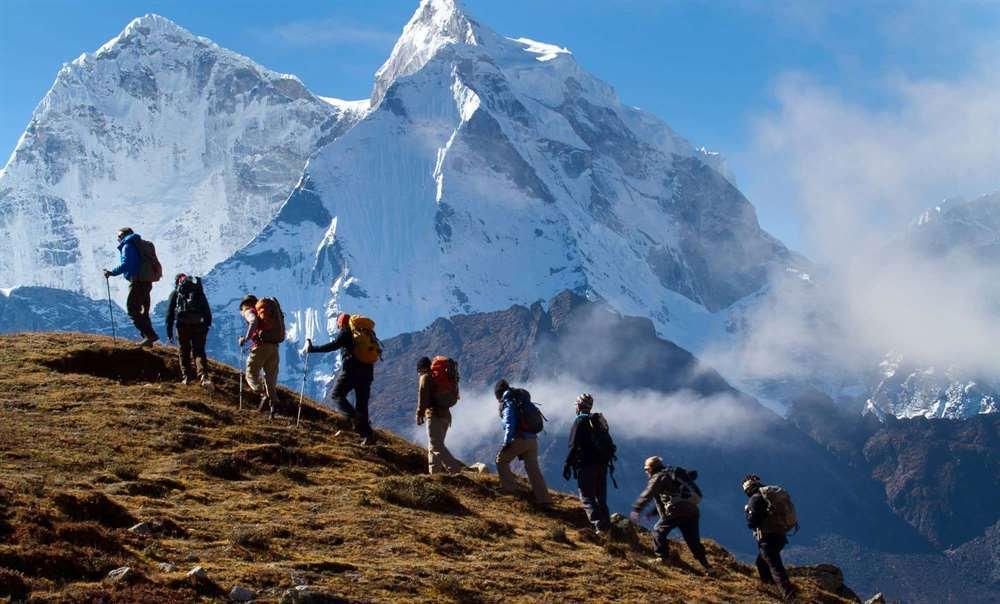
I still remember the first time I laced up my boots for a proper trek. It was a misty morning in the foothills near the Karakoram range, and within the first hour my legs were burning, my pack felt like it weighed a ton, and I wondered why on earth I’d signed up for this. By the end of day three, though, something had shifted. The constant chatter in my head had quieted, my body felt stronger than it had in years, and I stood on a ridge watching the sunrise with a sense of awe I hadn’t felt since childhood. Trekking isn’t just walking with a backpack—it’s a multi-day journey through rugged trails, mountain passes, and remote landscapes that demands more than a Sunday stroll. It’s an adventure that rewards you with views no screen can match and a version of yourself you didn’t know existed.
If you’ve been scrolling past fitness trends or feeling stuck in the daily grind, trekking might be the reset button you need. Unlike gym sessions that can feel repetitive, trekking combines exercise, nature, challenge, and discovery in one unforgettable package. And the best part? The benefits go far beyond burning calories. In this article, I’ll share seven powerful reasons why you should do trekking—at least once, and hopefully many times after. These aren’t just feel-good ideas; they’re backed by real science, real stories, and the kind of life-changing experiences that keep people coming back to the trails.
Reason 1: It Supercharges Your Physical Fitness and Builds Real-World Strength
Trekking turns your entire body into a finely tuned machine without the boredom of repetitive gym reps. Every uphill step works your quads, glutes, calves, and core, while descents fire up stabilizing muscles you never knew you had. The uneven terrain improves balance and coordination in ways that flat-road running simply can’t match.
Carrying a backpack adds resistance training that builds endurance and functional strength you’ll actually use in everyday life. Studies show regular trekking increases muscle endurance and overall fitness levels dramatically.
How Science Backs the Strength Gains
Research from sports scientists confirms that trekking at moderate intensity over weeks leads to measurable improvements in muscle strength, flexibility, and balance—especially for older adults or those carrying extra weight. One study found obese women lost significant body weight and gained endurance after just 12 weeks of regular treks.
I’ve seen it firsthand. On my first multi-day trek, I struggled with a 10-kilo pack. Two years later, the same weight felt light as I powered up steeper sections without gasping.
Real Talk: What to Expect Physically
- Stronger legs and core that make stairs feel easy
- Better posture from carrying weight evenly
- Improved joint stability that reduces everyday aches
Reason 2: It Fortifies Your Heart and Lowers Serious Health Risks
Your heart works harder on trails than on a treadmill because of elevation changes and variable pacing. This natural cardio workout strengthens the cardiac muscle, improves circulation, and lowers resting blood pressure over time.
Trekking also helps regulate cholesterol and reduces the risk of heart disease, diabetes, and obesity—conditions that plague so many of us in desk-bound lives.
The Numbers Don’t Lie
On average, you can burn 400–700 calories per hour trekking, depending on terrain and pack weight—far more efficient than many gym workouts for the same effort. A moderate 10-kilometer trek might torch 1,000 calories while strengthening your lungs and heart simultaneously.
| Activity | Calories Burned per Hour (70kg person) | Impact on Heart Health |
|---|---|---|
| Trekking (moderate) | 450–600 | High (elevation + resistance) |
| Brisk Walking | 300–400 | Moderate |
| Gym Elliptical | 400–500 | Moderate |
| Running | 600–800 | High (but higher impact) |
My Wake-Up Call
After a tough trek in northern Pakistan, my doctor noted my blood pressure had dropped noticeably. The trails did what months of indoor cardio couldn’t.
Reason 3: It Melts Away Stress and Lifts Your Mental Health
Nothing quiets a racing mind like putting one foot in front of the other through quiet forests or open valleys. Trekking in nature slashes rumination—the repetitive negative thinking linked to depression and anxiety.
A landmark Stanford study found that just 90 minutes walking in nature decreases activity in the brain region tied to mental illness, unlike urban walks.
Why Nature Works Its Magic
The combination of fresh air, phytoncides from trees, and rhythmic movement floods your system with feel-good endorphins while lowering cortisol. Many trekkers report better sleep, sharper focus, and a renewed sense of purpose.
I once finished a five-day trek feeling lighter than I had in years. The mountains didn’t solve my problems—they just put them in perspective.
Quick Mental Health Wins
- Reduced anxiety within hours
- Boosted creativity and problem-solving
- Deeper sense of calm that lasts days afterward
Reason 4: It Helps You Shed Weight Naturally and Keep It Off
Forget crash diets. Trekking burns fat efficiently because it mixes steady cardio with bursts of effort on climbs. The calorie deficit is real, yet sustainable because you’re fueled by stunning views instead of willpower alone.
Sustainable Weight Loss That Sticks
Trekkers often lose 0.5–1 kg per week on longer journeys while building muscle that keeps metabolism humming long after the trek ends. Plus, the mindful eating that comes with limited food options on the trail helps reset habits.
Comparison: Trekking vs. Other Weight-Loss Tools
Trekking beats the gym for many because it’s low-impact on joints yet high-reward for the soul. You’re not counting reps—you’re chasing sunsets.
Reason 5: It Strengthens Bonds and Creates Lifelong Friendships
Trekking with others turns strangers into trail family fast. Shared challenges—river crossings, steep passes, rainy camps—forge bonds deeper than office small talk ever could.
The Social Payoff
Group treks build teamwork, empathy, and encouragement. Even solo trekkers often meet fellow adventurers at teahouses or campsites and leave with new contacts worldwide.
I’ve made friends on trails who still message me years later with trek plans. Those connections feel more genuine than most social media “likes.”
Pros and Cons of Group vs. Solo Trekking
Pros of Group: Motivation on tough days, shared laughter, safety net.
Cons of Group: Pacing differences, less personal reflection.
Pros of Solo: Total freedom, deep self-connection.
Cons of Solo: Requires more preparation and self-reliance.
Reason 6: It Ignites Personal Growth and Unforgettable Adventures
Every trek is a mini life lesson. You learn patience on long ascents, resilience when blisters appear, and gratitude for simple things like a hot meal after a cold night.
The Growth You Can’t Buy
Pushing past comfort zones builds confidence that spills into work, relationships, and daily challenges. Many trekkers return home more decisive, calmer, and open to new experiences.
Reason 7: It Deepens Your Connection to Nature and Inspires Real Change
Trekking puts you face-to-face with raw beauty—and fragility. You see glaciers retreating, rivers running cleaner (or not), and wildlife thriving (or struggling). That firsthand experience often sparks a lifelong commitment to conservation.
From Trail to Action
Trekkers become stewards—picking up litter, supporting eco-friendly operators, and voting with their feet (and wallets) for protected lands. It’s hard to ignore environmental issues when you’ve walked through them.
People Also Ask About Trekking
What are the main health benefits of trekking?
Physical strength, heart health, weight management, and major mental health boosts like reduced stress and depression risk—all in one activity.
Is trekking good for beginners?
Absolutely, if you start small. Choose well-marked, moderate trails, train with day hikes, and build up gradually. Many operators offer beginner-friendly routes.
How does trekking compare to gym workouts?
Trekking offers functional, full-body exercise plus mental and nature benefits that no indoor session can replicate—though a smart gym routine can prepare you perfectly.
What gear do I need to start trekking?
Sturdy boots, a reliable backpack, trekking poles, weather-appropriate layers, and a good sleeping bag for multi-day trips. Quality matters more than quantity.
How much does a trek cost?
Entry-level day treks are nearly free. Guided multi-day adventures range from budget teahouse stays to luxury options, but the memories are priceless.
FAQ
1. How long should my first trek be?
Start with 2–3 days. It’s enough to feel the magic without overwhelming your body or schedule.
2. Do I need to be super fit already?
No. Moderate fitness helps, but consistent training (stairs, weighted walks) in the months before will get you trail-ready.
3. Is trekking safe?
With proper planning, weather checks, and respect for altitude, yes. Always trek with a guide or experienced group in remote areas.
4. What if I hate camping?
Many treks use teahouses or lodges—no tent required.
5. Can kids or older adults trek?
Yes! Family-friendly and senior-paced options exist worldwide. Just choose routes matching fitness and comfort levels.
Trekking isn’t a hobby—it’s a powerful way to reclaim your health, clarity, and sense of wonder in a world that keeps us glued to screens. The seven reasons above barely scratch the surface of what waits on the trail. So why not start today? Research a beginner-friendly route near you, book that first overnight trek, or simply lace up for a local day hike. Your body, mind, and future self will thank you.
The mountains are calling. Will you answer?
Related Posts
How To Prepare For A Trek: Our 10-Step Guide
I still remember the knot in my stomach the night…

A Beginner’s Guide to Mountain Trekking: 10 Essential Tips
I still remember my first real mountain trek like it…