Picture this: you’re bouncing along a dusty track in Kenya’s Masai Mara as the first light paints the acacia trees gold. A herd of elephants ambles past, so close you can hear their rumbling breaths. Your heart swells—not just from the thrill, but from knowing your trip is actually helping keep these giants alive. I’ve felt that exact rush on multiple safaris across East and Southern Africa, and every time it hits me how tourism and conservation are woven together like the threads in a Maasai shawl. Safaris aren’t just bucket-list adventures; they’re a powerful engine driving real protection for Africa’s wildlife. Through direct funding, community jobs, on-the-ground presence, and global awareness, responsible safari tourism turns visitors into quiet heroes of the wild.
The Economic Engine Powering Conservation
Safari tourism pours billions into African economies every year, and a solid chunk of that cash flows straight back into protecting the very animals tourists come to see. In 2025 alone, the broader Africa safari market sits around $20.5 billion and keeps growing, with Southern Africa projected to hit nearly $30 billion by 2033. Park fees, lodge stays, and guided drives don’t vanish into thin air—they pay ranger salaries, fuel anti-poaching patrols, and maintain vast protected areas that would otherwise crumble under pressure.
How Tourist Dollars Directly Fund Anti-Poaching and Habitat Protection
Every time you hand over your park entry fee or book a stay at a responsible lodge, you’re essentially writing a check for conservation. Those fees bankroll everything from vehicle patrols to waterhole repairs and scientific monitoring. In places like Tanzania’s Serengeti or South Africa’s Kruger, tourism revenue has helped stabilize elephant numbers and brought black rhino populations back from the brink—rising from just 300 in the 1980s to over 1,000 today thanks in large part to sustained funding.
Community Jobs That Reduce the Need for Poaching
One of the smartest things safaris do is create real livelihoods in remote villages where poaching or overgrazing once seemed like the only options. Guides, trackers, lodge staff, drivers, and even artisans selling crafts at camps—all these roles let local families earn steady income without harming wildlife. Operators like Wilderness Safaris alone paid out $17.1 million to governments and communities in FY25, a 21% jump from the year before. When people can feed their kids through tourism, they’re far less likely to risk everything for a quick rhino horn sale.
Land Leases and Conservancies That Expand Protected Areas
Many luxury camps lease huge tracts of land directly from indigenous communities and turn them into private conservancies. The community keeps ownership, wildlife roams freely across bigger spaces, and tourists get uncrowded, high-quality sightings. Kenya’s Olare Motorogi and Naboisho conservancies cover over 70,000 acres and have doubled the roaming area around the Masai Mara. It’s a brilliant model that keeps land wild instead of turning it into farmland or cattle pasture.
The Deterrent Effect of Having Eyes on the Ground
Poachers hate an audience. A convoy of safari vehicles rolling through a reserve at dawn or dusk creates constant human presence that makes illegal activity risky. Rangers and guides stay alert, and guests often spot snares or suspicious activity first. In Botswana’s Okavango Delta, the simple act of game drives near community areas has helped cut lion killings dramatically.
Educating Locals and Visitors Alike
Safaris don’t just show animals—they teach. Guides share stories about ecosystems, threats, and success stories that stick with guests long after the trip. Many operators run school programs or sponsor kids; Micato Safaris, for example, sponsors a child’s education for every booking through their “One for One” commitment. Communities learn the economic value of living alongside wildlife instead of against it, flipping old attitudes into pride and stewardship.
Real-World Case Study: CLAWS and Lions in the Okavango
In northern Botswana, the NGO CLAWS (Communities Living Amongst Wildlife Sustainably) shows exactly how safari tourism backs lion conservation. Lion numbers across Africa dropped 50% in 25 years, and in 2013 half the local population was poisoned in retaliation for livestock losses. CLAWS uses satellite collars, SMS alerts to farmers, and communal herding programs funded partly by guest conservation fees and partnerships with operators like Wilderness Safaris and Wild Expeditions. Result? No known lion killings since 2019, and the program has expanded to multiple villages. Founder Andrew Stein puts it perfectly: “Safari tourism is the backbone of conservation.”
Case Study: Tanzania’s Serengeti Success Story
Tanzania pulled in a record $4.2 billion from tourism recently, much of it from safaris. Elephant numbers jumped 29% since 2014 to over 60,000, thanks to revenue funding patrols and habitat work. Private conservancies bordering the park have expanded protected space, and community fees support schools and health clinics. The Great Migration still thunders across the plains because tourism makes the land worth more alive than farmed or poached.
Pros and Cons of Safari Tourism for Conservation
| Aspect | Pros | Cons |
|---|---|---|
| Funding | Billions channeled to anti-poaching and habitat | Uneven distribution if operators cut corners |
| Wildlife Behavior | Presence deters poachers | Overcrowding can stress animals |
| Community Impact | Jobs and pride in wildlife | Cultural disruption if not managed well |
| Long-term Sustainability | Expands conservancies and corridors | Risk of overtourism in popular spots |
Responsible operators minimize the cons through strict guidelines, small group sizes, and reinvestment—turning potential downsides into net positives.
How to Choose a Conservation-Focused Safari
Look for lodges that publish exactly how much of your fee goes to conservation (some hit 14.7% or more). Check for partnerships with reputable NGOs, use of solar power and electric vehicles, and genuine community involvement—not just token gestures. Certifications, transparent impact reports, and reviews mentioning ranger training or habitat projects are green flags. Avoid places that bait animals or allow off-road driving near wildlife.
Comparison: Traditional Game Drives vs. Immersive Conservation Experiences
Traditional drives focus on sightings and luxury. Conservation-focused safaris add hands-on elements—tracking collared lions, planting trees, or joining Ecorangers. You still get the Big Five thrills, but you leave knowing you helped gather data or fund a new boma. The immersive version often costs a bit more yet delivers deeper satisfaction and measurable impact.
Real Stories That Stick With You
I once watched a young Maasai guide named Joseph point out a fresh rhino track and quietly say, “This one is alive because of visitors like you.” His village had leased land for a conservancy, and the fees paid for his training. Another time in the Delta, a farmer showed me the SMS alert on his phone that saved his cattle—and the collared lion named “Kgalagadi” that now roams safely. These aren’t abstract stats; they’re lives changed.
People Also Ask About Safaris and Conservation
Do safaris actually help or harm wildlife?
When run responsibly, they help far more than they harm. Revenue funds protection, presence deters poachers, and communities gain incentives to value living animals. Poorly managed ones can stress wildlife through crowding, but certified operators follow strict codes to keep disturbance minimal.
How much of my safari money actually reaches conservation?
It varies, but top operators direct 10-15% or more straight to projects. Park fees, community levies, and voluntary donations add up fast—Wilderness alone moved $17 million in one year. Always ask for transparent breakdowns before booking.
Can one safari really make a difference?
Absolutely. Your fees support rangers, your photos inspire others, and your choice rewards ethical operators. Multiply that by thousands of visitors and you’re funding entire anti-poaching teams and school programs.
Are there ethical alternatives to traditional safaris?
Yes—volunteer conservation trips, conservancy stays, or low-volume high-value models like Botswana’s. These prioritize impact over sheer numbers while still delivering unforgettable wildlife encounters.
Frequently Asked Questions
What is the biggest way safaris support conservation?
Economic incentives. When wildlife generates steady income through tourism, governments, communities, and private landowners protect it instead of converting land or allowing poaching.
Do safaris disturb animals or change their behavior?
Responsible ones limit vehicle numbers, maintain safe distances, and avoid off-road driving or feeding. Studies show well-managed tourism has minimal long-term impact compared to the alternative of habitat loss.
Which African countries do safaris best support conservation?
Botswana, Namibia, Kenya, Tanzania, and South Africa lead with strong policies, conservancy models, and transparent revenue sharing. Look for operators working inside or beside national parks and community lands.
How has COVID shown the link between tourism and conservation?
When safaris stopped, poaching spiked in some areas as income vanished and patrols thinned. The recovery proved tourism’s role as a financial lifeline for protected areas and communities.
Safaris have evolved from simple game-viewing holidays into a sophisticated conservation tool that benefits wildlife, people, and the planet. The next time you scan the horizon for that perfect lion shot, remember you’re not just watching—you’re helping write the next chapter of Africa’s wild story. Choose wisely, travel mindfully, and your adventure becomes part of the solution. The animals—and the communities who live beside them—will thank you with every heartbeat on the savanna.
Related Posts
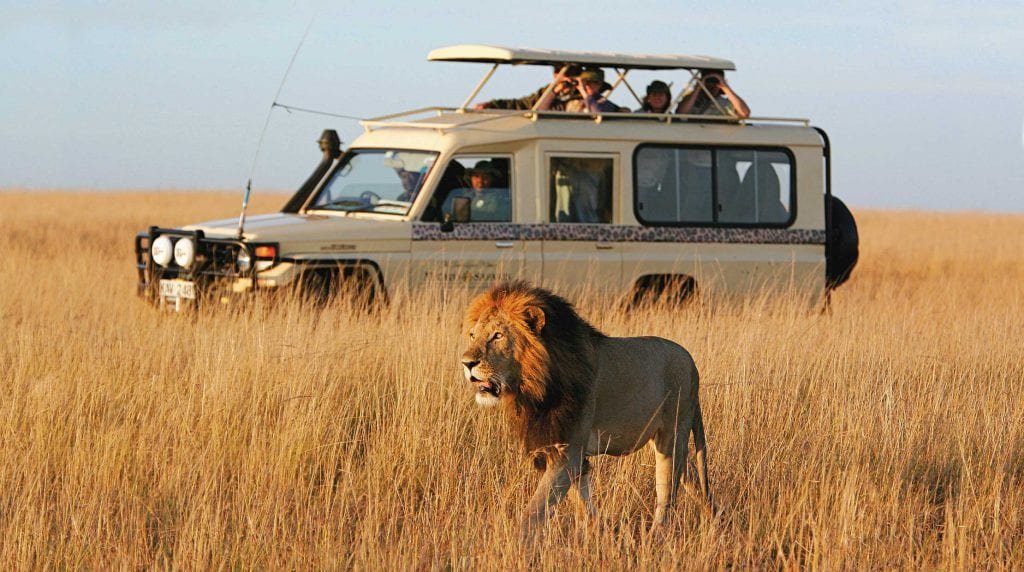
Wildlife & Safari Tours, Trips & Cruises For 2025-2027: Your Ultimate Guide to Epic Adventures in the Wild
Picture this: the first light of dawn breaks over the…
The Ultimate 7-Day Best of Tanzania Wildlife Safari: Serengeti, Ngorongoro, Tarangire & Beyond
Picture yourself in an open-top 4x4, dust kicking up behind…