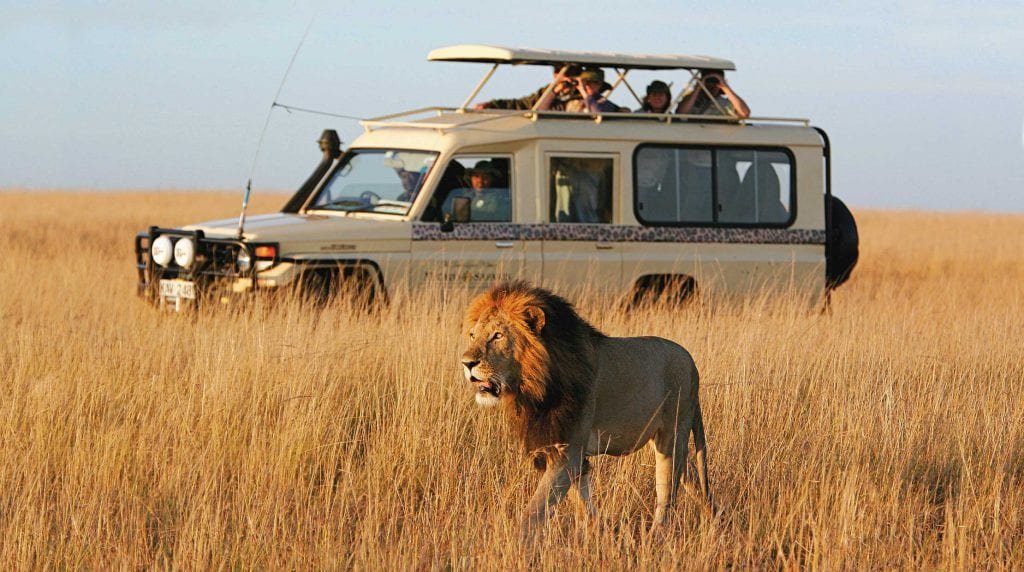
Picture yourself in an open-top 4×4, dust kicking up behind you, while a pride of lions lounges in the shade of an acacia tree just 20 feet away. That’s not a postcard—it’s your morning coffee break on a 7-day Tanzania wildlife safari. I’ve chased this exact thrill across the Northern Circuit more times than I can count, and every trip reminds me why this corner of East Africa delivers the world’s most iconic safari experiences in one perfectly paced week.
This itinerary packs the absolute best of Tanzania—Tarangire’s elephant herds, Lake Manyara’s tree-climbing lions, the endless Serengeti plains, and the otherworldly Ngorongoro Crater—without the exhaustion of a longer trip. Whether you’re a first-timer dreaming of the Big Five or a seasoned traveler chasing the Great Migration, a 7-day safari strikes the sweet spot: enough time to immerse yourself in raw wilderness, yet short enough to fit real life. And yes, it’s doable on a realistic budget while still feeling luxurious.
Why a 7-Day Tanzania Wildlife Safari Hits the Sweet Spot
A full week gives you the perfect rhythm—arrival day to ease in, four solid safari days across four world-class parks, and a final morning to soak it all in before flying home. Shorter trips feel rushed; longer ones can blur together. In seven days you’ll witness predator-prey drama, migration spectacles (depending on season), and cultural gems that longer itineraries often dilute with repetition. I’ve seen first-timers tear up watching a baby elephant play in Tarangire mud, and that memory sticks because the pace lets wonder build naturally.
Best Time to Visit for Your 7-Day Tanzania Safari Adventure
June through October is prime time. The dry season means animals cluster around water sources, vegetation thins out for crystal-clear sightings, and the Great Migration reaches its dramatic peak with Mara River crossings in the northern Serengeti. January to March brings calving season in the south—thousands of adorable wildebeest calves and plenty of big-cat action—but roads can get muddy. Avoid the long rains (April-May) unless you love lower prices and lush greenery with fewer crowds.
Understanding the Great Wildebeest Migration in a Week
Don’t worry if your dates don’t perfectly align with a river crossing. The migration is a year-round circle, and central Serengeti always delivers predator action. In a 7-day trip you’ll likely catch massive herds on the move or dramatic hunts—still bucket-list material even without the exact “National Geographic moment.”
Choosing Your Safari Style: Budget, Mid-Range, or Luxury
Private 4×4 with a professional guide is non-negotiable for the best experience. Budget options (around $350 per person per day) use solid tented camps outside parks. Mid-range ($450/day) gets you comfortable lodges with en-suite facilities and better food. Luxury ($600+/day) means infinity pools overlooking the plains and private vehicles. Group size matters too—four travelers split the vehicle cost nicely. I always recommend mid-range for first-timers; you get comfort without sacrificing authenticity.
Your Day-by-Day 7-Day Best of Tanzania Wildlife Safari Itinerary
Here’s the exact route I’ve refined over multiple trips. It flows logically, minimizes long drives, and maximizes game-viewing hours.
Day 1: Arrival in Arusha and Transfer to Tarangire National Park
Touch down at Kilimanjaro International Airport, meet your guide, and head straight into the action. The two-hour drive to Tarangire feels like the curtain rising—baobab trees standing like ancient sentinels, dust devils swirling across the plains. Afternoon game drive delivers your first elephants, maybe a giraffe family silhouetted against the sky. Overnight in a tented camp where the only sounds are distant hyena whoops. Jet lag? Gone the second you spot your first zebra.
Day 2: Full Day in Tarangire – Elephant Paradise
Tarangire boasts more elephants per square kilometer than anywhere else in Tanzania. Spend the day following massive herds along the Tarangire River, spotting lions lounging in shady thickets and over 550 bird species. I once watched a bachelor herd of 30 bulls bathe and play for hours—it was better than any zoo documentary. Picnic lunch under a baobab, then more driving until sunset paints the sky orange.
Day 3: Lake Manyara National Park to Serengeti National Park
Morning drive to Lake Manyara for its famous tree-climbing lions (yes, they really lounge in branches like oversized house cats) and flamingo-lined shores. After lunch you push into the Serengeti—Africa’s most famous park. The landscape opens up dramatically, and suddenly you’re surrounded by endless golden plains dotted with wildebeest and gazelles. First Serengeti sunset is something you’ll replay in your mind forever.
Day 4: Full Day Exploring Central Serengeti
This is pure safari heaven. Early morning game drive catches big cats on the prowl. Look for leopards draped over branches, cheetahs scanning for prey, and hyena clans on the move. The Serengeti’s predator density is unmatched—over 3,000 lions call it home. Optional hot-air balloon ride at dawn (worth every penny) gives you a bird’s-eye view of the migration. Afternoon brings more drama: perhaps a cheetah chase or a pride taking down a wildebeest.
Day 5: Serengeti to Ngorongoro Conservation Area
Morning game drive, then scenic drive to the Ngorongoro Highlands. The descent into the crater the next day will feel like entering another planet, but today you settle into your lodge on the rim with views that stretch forever. Evening sundowner with Maasai warriors sharing stories around the fire—pure magic.
Day 6: Full Day in the Ngorongoro Crater
The world’s largest intact caldera is a natural zoo. Black rhinos (one of the best places left to see them), flamingos on the soda lake, hippos wallowing, and the Big Five all in one compact 260-square-kilometer bowl. Your guide will navigate the descent and you’ll spend the day spotting lions, elephants, and buffalo while feeling like you’ve stepped into Eden. I still get chills remembering my first rhino sighting here.
Day 7: Morning Game Drive and Departure
One last sunrise drive in Ngorongoro or a quick Serengeti loop if your flight allows, then transfer back to Arusha or directly to the airport. You’ll leave with a camera full of photos and a heart full of stories that friends will never quite believe.
Wildlife Highlights You Can Expect on This 7-Day Safari
Tarangire delivers elephant overload and massive baobabs. Lake Manyara offers unique tree-climbing lions and diverse birds. Serengeti brings predator action and migration scale. Ngorongoro guarantees Big Five sightings in a single day. You’ll likely tick off lion, leopard, elephant, buffalo, rhino, cheetah, giraffe, zebra, wildebeest, hippo, and countless antelope species.
Cost Breakdown: What a 7-Day Tanzania Safari Really Costs in 2026
| Level | Price per Person (7 Days) | What You Get | Best For |
|---|---|---|---|
| Budget | $2,100 – $2,800 | Basic tents, shared vehicle options | First-timers on a budget |
| Mid-Range | $2,800 – $3,500 | Comfortable lodges, private 4×4 | Most travelers |
| Luxury | $4,200+ | Premium camps, balloon rides, extras | Special occasions |
Prices include park fees, meals, guide, and transfers but exclude international flights and tips. Peak season (July–September) adds 10–20%. Book directly with local operators to avoid massive markups.
Pros and Cons of a 7-Day Tanzania Safari
Pros:
- Perfect pace for first-timers
- Covers all iconic parks without fatigue
- Excellent value compared to 10+ day trips
- Flexible enough to add balloon rides or cultural visits
Cons:
- Limited time for deep Serengeti exploration
- Can feel rushed if you love slow mornings
- Migration timing matters more than on longer trips
What to Pack for Tanzania Wildlife Safari Success
- Neutral-colored clothing (khaki, beige, green—no bright whites or patterns)
- Lightweight layers for chilly mornings and hot afternoons
- Binoculars (8×42 or 10×42—game-changer)
- Wide-brimmed hat, sunglasses, high-SPF sunscreen
- Reusable water bottle and snacks
- Camera with zoom lens and extra batteries
- Malaria prophylaxis and basic first-aid kit
- Soft-sided duffel bag (hard cases don’t fit small planes if you fly internally)
Leave the fancy jewelry and strong perfumes at home—animals notice.
Safety and Health Tips from Real Safari Experience
Tanzania safaris are remarkably safe when you travel with reputable operators. Stick to your guide, never exit the vehicle in wildlife areas, and follow basic malaria prevention. Yellow fever vaccination is required for entry from many countries. Drink bottled water, wash hands often, and get travel insurance that covers medical evacuation. I’ve never had a single issue in dozens of trips, but common sense rules.
Sustainable Tourism: How Your Safari Helps Conservation
Choose operators that support local communities and anti-poaching efforts. Many lodges fund school programs and ranger salaries. By visiting responsibly you directly contribute to protecting these ecosystems for future generations. Skip single-use plastics and support community-led cultural visits.
People Also Ask About 7-Day Tanzania Wildlife Safaris
How much does a 7-day Tanzania safari cost?
Expect $2,800–$4,000 per person for a comfortable private experience including all park fees and meals. Budget options start lower; luxury pushes higher.
Is 7 days enough for a Tanzania safari?
Absolutely. You’ll hit the highlights without burnout and still see the Big Five plus migration action.
What parks are included in the best 7-day itinerary?
Tarangire, Lake Manyara, Serengeti, and Ngorongoro Crater—covering elephants, lions, migration, and the caldera in one efficient loop.
When is the best time for the Great Migration?
July–September for northern river crossings; January–March for calving in the south.
Do I need a visa for Tanzania?
Most nationalities get a $50 visa on arrival or e-visa online. Check current requirements before booking.
FAQ: Your Burning Questions Answered
Can I add a hot-air balloon ride?
Yes—book it for Serengeti on Day 4 or 5. It’s an extra $550–$650 but unforgettable.
What if I travel solo?
Most operators happily arrange private safaris. Costs rise, but the experience is worth it.
Is Tanzania safe for families?
Very, with child-friendly lodges and guides who love sharing knowledge with kids.
What about tipping?
$20–$30 per day for your guide/driver is standard and deeply appreciated.
Should I book flights to Kilimanjaro or Arusha?
Kilimanjaro (JRO) is the main international airport—most convenient.
Your 7-day Tanzania wildlife safari won’t just be a vacation. It’ll be the trip that changes how you see the world. The raw power of nature, the quiet majesty of the plains, the thrill of spotting a leopard’s tail dangling from a tree—these moments stay with you long after the dust settles. Book with a trusted local operator, pack light, and prepare to fall in love with Africa. I’ll see you out there on the plains. Safe travels.
Related Posts

How Safaris Help Wildlife Conservation
Picture this: you’re bouncing along a dusty track in Kenya’s…
Wildlife & Safari Tours, Trips & Cruises For 2025-2027: Your Ultimate Guide to Epic Adventures in the Wild
Picture this: the first light of dawn breaks over the…